Cultivating Excellence Every Day
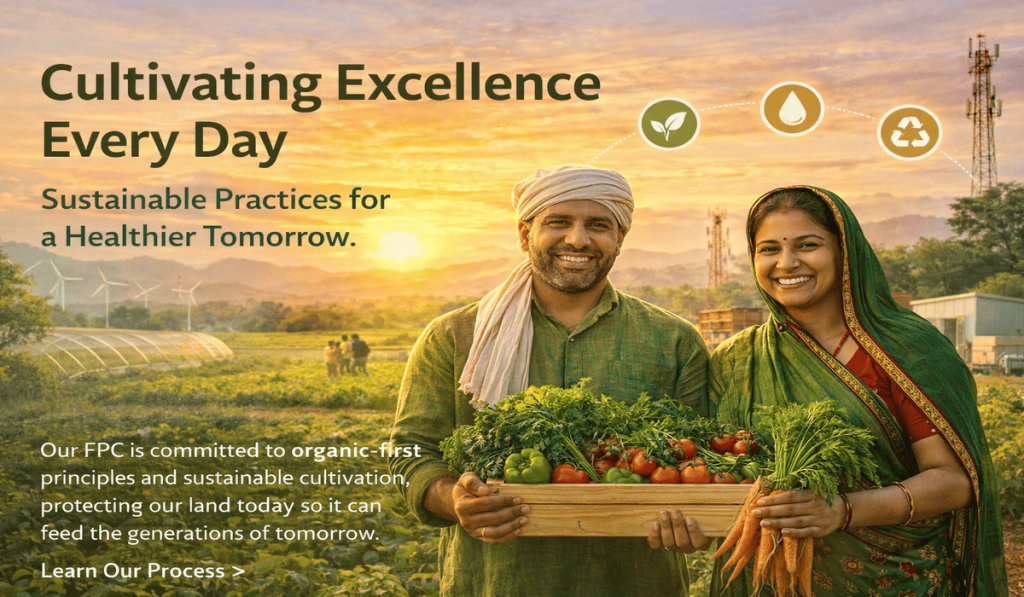
Table of Contents
- Cultivating Excellence Every Day
- Introduction: A Commitment to Excellence in Farming
- What Does ‘Cultivating Excellence’ Mean?
- The Shift Towards Sustainable Agriculture
- Organic-First Approach: A Healthier Way Forward
- Protecting Soil Health and Biodiversity
- Efficient Water Management Practices
- Empowering Farmers Through Sustainable Practices
- Delivering Quality and Trust to Consumers
- A Vision for the Future: Feeding Generations Sustainably
- Conclusion: Excellence Rooted in Responsibility
- ❓ FAQs
Introduction: A Commitment to Excellence in Farming
Agriculture is not just about growing crops—it is about nurturing life, sustaining communities, and protecting the future. In today’s rapidly changing world, farming must go beyond traditional practices and embrace a more responsible and forward-thinking approach.
Cultivating excellence every day means consistently striving for better quality, higher productivity, and sustainable outcomes. It reflects a commitment not only to farmers but also to consumers and the environment.
What Does ‘Cultivating Excellence’ Mean?
Excellence in agriculture is achieved through a combination of knowledge, innovation, and dedication. It involves adopting best practices, maintaining high-quality standards, and continuously improving farming techniques.
Farmers who focus on excellence are not just producers—they are innovators who understand soil health, crop cycles, and market demands. They aim to deliver products that are not only fresh but also safe and nutritious.
The Shift Towards Sustainable Agriculture
Modern agriculture is increasingly moving towards sustainability. This shift is essential to protect natural resources such as soil, water, and biodiversity.
Sustainable farming ensures that we meet today’s needs without compromising the ability of future generations to meet theirs. It emphasizes minimal chemical use, efficient water management, and eco-friendly farming techniques.
Organic-First Approach: A Healthier Way Forward
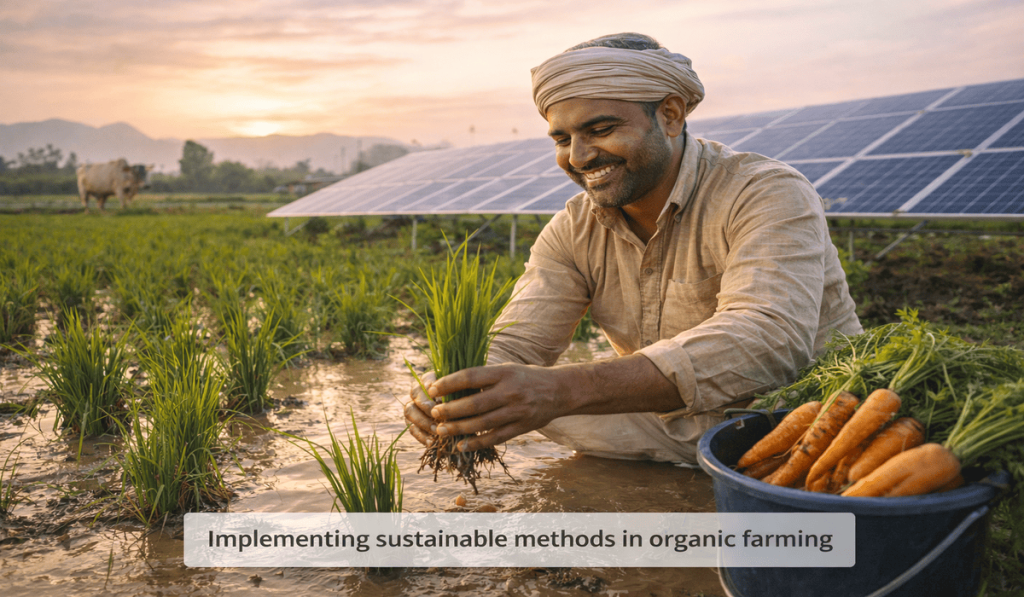
Our Farmer Producer Company (FPC) follows an organic-first approach, prioritizing natural and chemical-free cultivation methods. This approach promotes healthier soil, reduces environmental impact, and ensures safer food for consumers.
Organic farming also improves long-term productivity by maintaining soil fertility and encouraging natural ecosystems.
Protecting Soil Health and Biodiversity
Healthy soil is the foundation of successful agriculture. Sustainable practices such as crop rotation, composting, and natural fertilizers help maintain soil fertility and structure.
Biodiversity plays an equally important role. Encouraging diverse crops and natural habitats supports pollinators and reduces dependency on harmful pesticides.
Efficient Water Management Practices
Water is one of the most critical resources in agriculture. Sustainable farming focuses on efficient water usage through drip irrigation, rainwater harvesting, and moisture conservation techniques.
These practices not only save water but also ensure consistent crop growth even in challenging conditions.
Empowering Farmers Through Sustainable Practices
Sustainability is not just about the environment—it is also about empowering farmers. By adopting sustainable methods, farmers can reduce input costs, increase resilience, and improve long-term profitability.
Training and awareness programs help farmers understand and implement these practices effectively.
Delivering Quality and Trust to Consumers
Consumers today are more conscious about what they eat. They seek fresh, chemical-free, and responsibly grown produce.
By focusing on sustainable and organic practices, we ensure that consumers receive high-quality products they can trust. This builds a strong connection between farmers and consumers.
A Vision for the Future: Feeding Generations Sustainably
Our commitment goes beyond today. By protecting natural resources and promoting sustainable agriculture, we aim to create a system that can feed future generations.
This vision ensures long-term food security while preserving the environment for years to come.
Conclusion: Excellence Rooted in Responsibility
Cultivating excellence every day is about making conscious choices that benefit farmers, consumers, and the planet.
With sustainable practices and an organic-first approach, we are building a future where agriculture thrives in harmony with nature.
❓ FAQs
1. What is sustainable agriculture?
Sustainable agriculture focuses on farming practices that protect the environment, conserve resources, and ensure long-term productivity.
2. What does organic-first mean?
It means prioritizing natural and chemical-free farming methods to produce healthier and safer food.
3. How does sustainable farming benefit farmers?
It reduces input costs, improves soil health, and ensures long-term income stability.
4. Why is soil health important?
Healthy soil supports better crop growth, higher yields, and long-term agricultural sustainability.
5. How does this approach help consumers?
Consumers get fresh, safe, and chemical-free food, improving overall health and well-being.